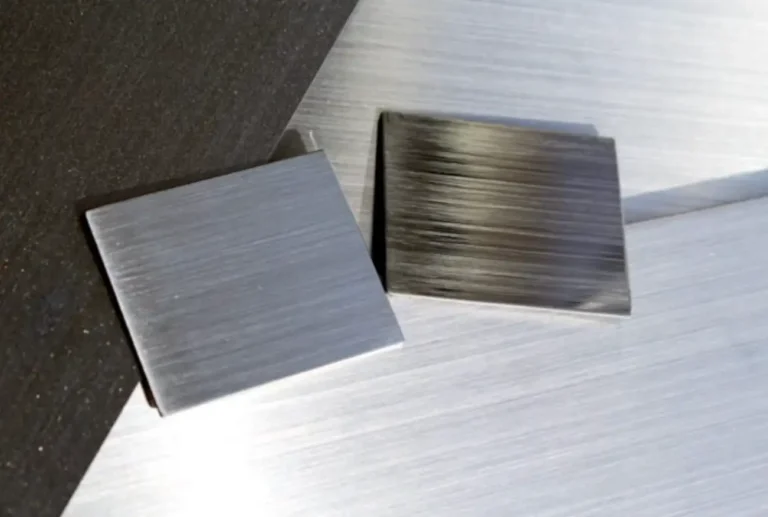
Can better Thickness Calibration help you meet strict customer specifications?
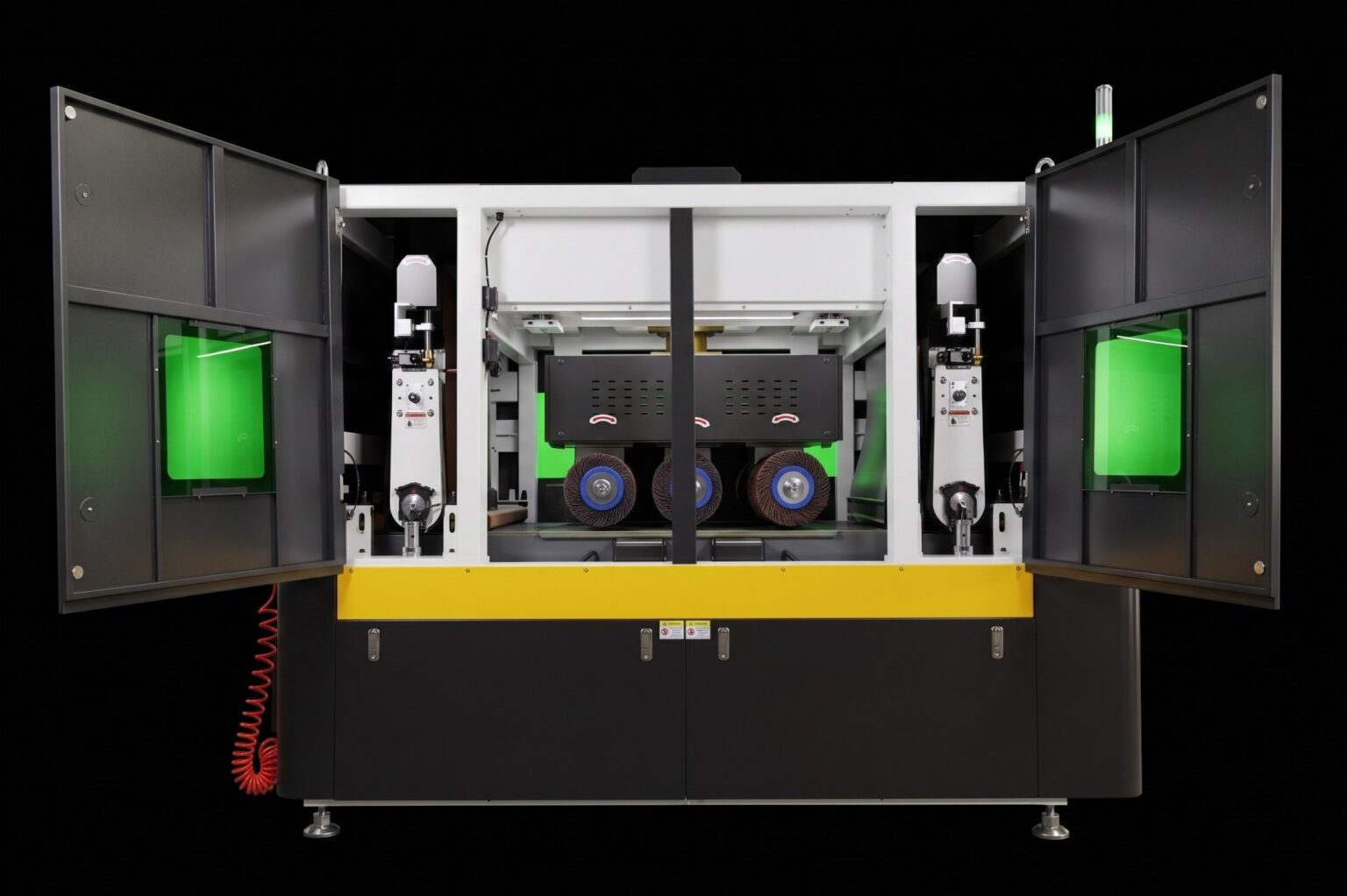
Starting our detailed assessment on automatic mechanisms created focused on burr removal possess advanced production routines, offering marked gains about efficiency and caliber. This guide studies the broad types of systems, embracing media sanding devices, circular devices, and modern programmed solutions. We will outline the positives of implementing this equipment, including decreased labor costs, better assembly regularity, and improved throughput levels.
Outline Deburring Apparatuses: Spot-on Finishing Detailed
Border smoothing platforms offer a advanced solution for obtaining specific improving on workpieces. In contrast with manual processes, these programmable units guarantee uniform performance and substantially boost creation potency. They often use multiple machining appliances like circular heads, finishing pads, or dedicated outlines to shed sharp boundaries and burrs. This process is crucial in a wide range of industries, including medical and electronics.- Improve surface caliber
- Lessen industrial expenditures
- Boost yield and capability
Residuum Cleaning Equipment: Obtaining Unblemished, First-Class Textures
Current metalworking practices reliably yield significant amounts of dross, a byproduct that, if overlooked, can severely reduce the standard of the final product. Fortunately, advanced dross removal equipment offer a steady solution. These purpose-built machines, employing techniques like blasting, are designed to thoroughly eliminate this unwanted material, ensuring a pure and excellent surface. The resulting benefits include curtailed rejection rates, enhanced aesthetic appeal, and an overall improvement in operational performance. By utilizing modern slag removal technology, manufacturers can consistently deliver world-class surfaces and adhere to stringent quality specifications.
Sheet Metal Finishing: The Benefits of Deburring Tools
Securing a exceptional coating on sheet metal modules is imperative for functionality, and deburring tools provide remarkable benefits over non-automated methods. Reducing burrs timely not only increases the cosmetic quality of the item, but also obviates foreseeable issues during integration and operation. Besides, automated deburring procedures advance output tempos and reduce personnel spending.
Maximizing Sheet Metal Production with Automatic Deburring
With the goal to boost performance in sheet metal workshop operations, explore self-operating deburring methods. Manual deburring is regularly lengthy and susceptible to irregularities. Moving to automatic deburring affords meaningful merits, such as decreased worker expenditures, better product excellence, and expanded industrial efficiency. This acquisitions have the potential to immediately pay off.Picking the Best Deburring Equipment for Your Assignment
Selecting the best deburring system for your unique needs requires a meticulous assessment of several criteria. Originally, scrutinize the variety of material you're processing – the metal requires unique techniques than polymer. Subsequently, review the magnitude and contour of the units needing finishing touches. Eventually, weigh your capacity scale; a bulk operation asks for a varied type of system than a minimal one. Disregarding to recognize these considerations is likely to bring about deficient results and escalated investment.
Deburring Machine Method: Progressions and Enhancements
Contemporary edge finishing unit process is experiencing rapid expansion, stimulated by the calls for for enhanced quality and productivity in routines steps. Noteworthy movements feature the merging of digital machines for versatile deburring activities, alongside innovations in finishing technology. We're what's more tracking a increase in portable burr removal devices catering for focused functions, and new systems like electron beam edge-removal are earning popularity. The future implies towards improved interaction of edge finishing systems within the networked plant locale.
Elevating Metal Segment Performance with Perimeter Shaping
Many constructing processes for steel parts introduce sharp edges, which can induce stress areas and shortcomings that reduce overall integrity. Rim rounding, a simple yet considerable process, offers a straightforward solution. It demands slightly filleting the keen edges of a part during the assembly stage. This decreases stress regions, boosts longevity lifespan, and can reduce cracking. Benefits are further amplified when dealing with elaborate configurations or parts subjected to significant tension. Considerations include the appropriate blend of the softened edge and its impact on joining with other modules.
- Reduces Stress Zones
- Elevates Fatigue Lifespan
- Blocks Damaging
Residue Cleaning vs. Edge : Learning the Variations
Though many workers use the terms “slag extraction” and “deburring” confusingly, they indicate distinct processes in metal production techniques. Bur processing focuses on eliminating the sharp, often tiny, projections created during fabricating operations—these are excess scraps of compound left on the section. Slag clearing, conversely, addresses a remnant – typically a concoction Sheet Metal Deslagging of unwanted elements – that emanates during processes like shaping. Essentially, deburring deals with secondary lips, while slag clearing deals with this leftover of a distinct method. Ultimately, programmable deburring and residuum removal units are key components of modern metal production that maintain outstanding finished products with limited defects and strengthened efficiency.Finalizing this article stresses the essential role of progressive automated deburring technologies in upgrading engineering specifications and empowering businesses realize heightened productivity and standard.