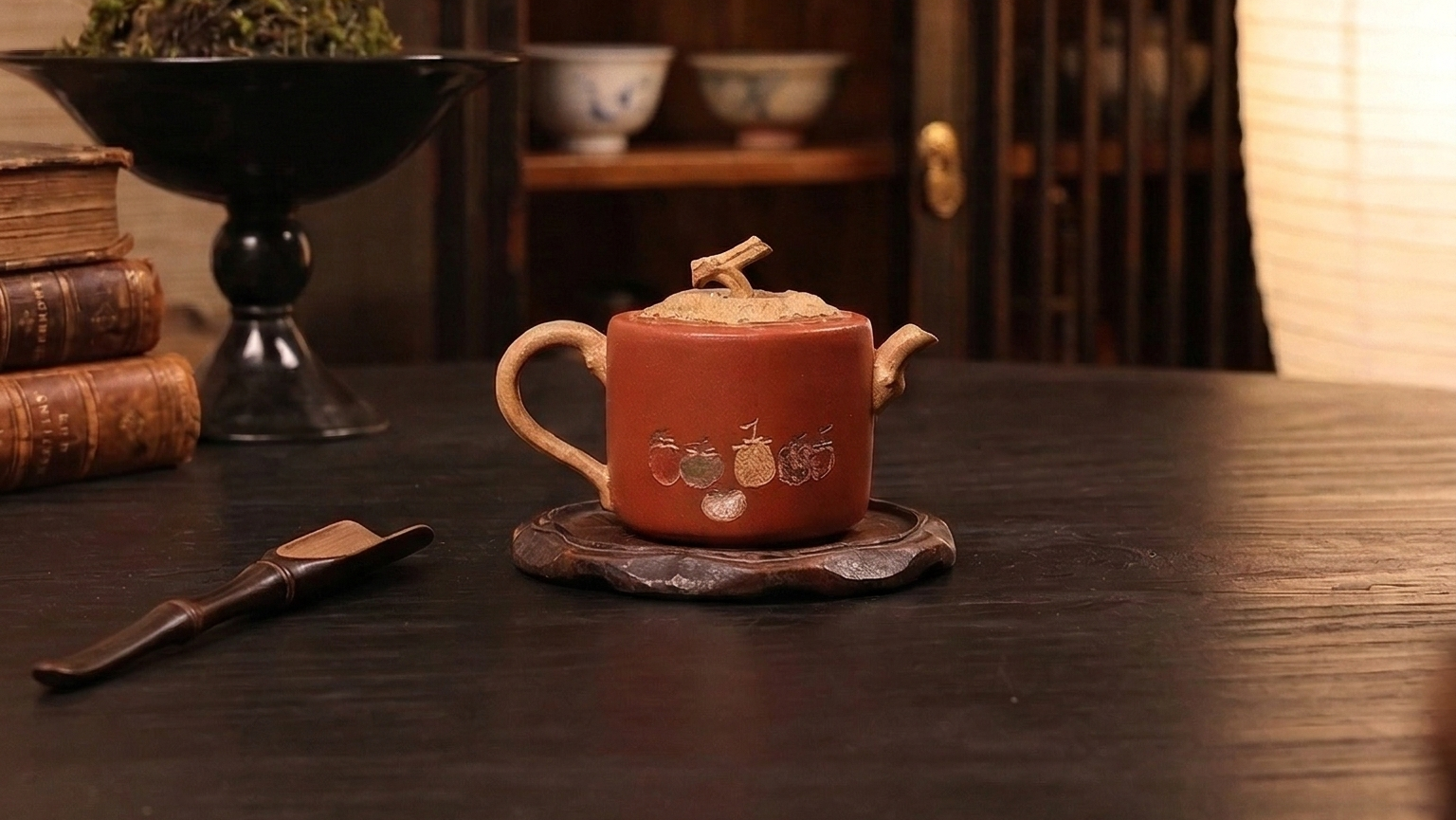
How can the unique feel of a Purple Clay Teapot help differentiate your tea service experience?
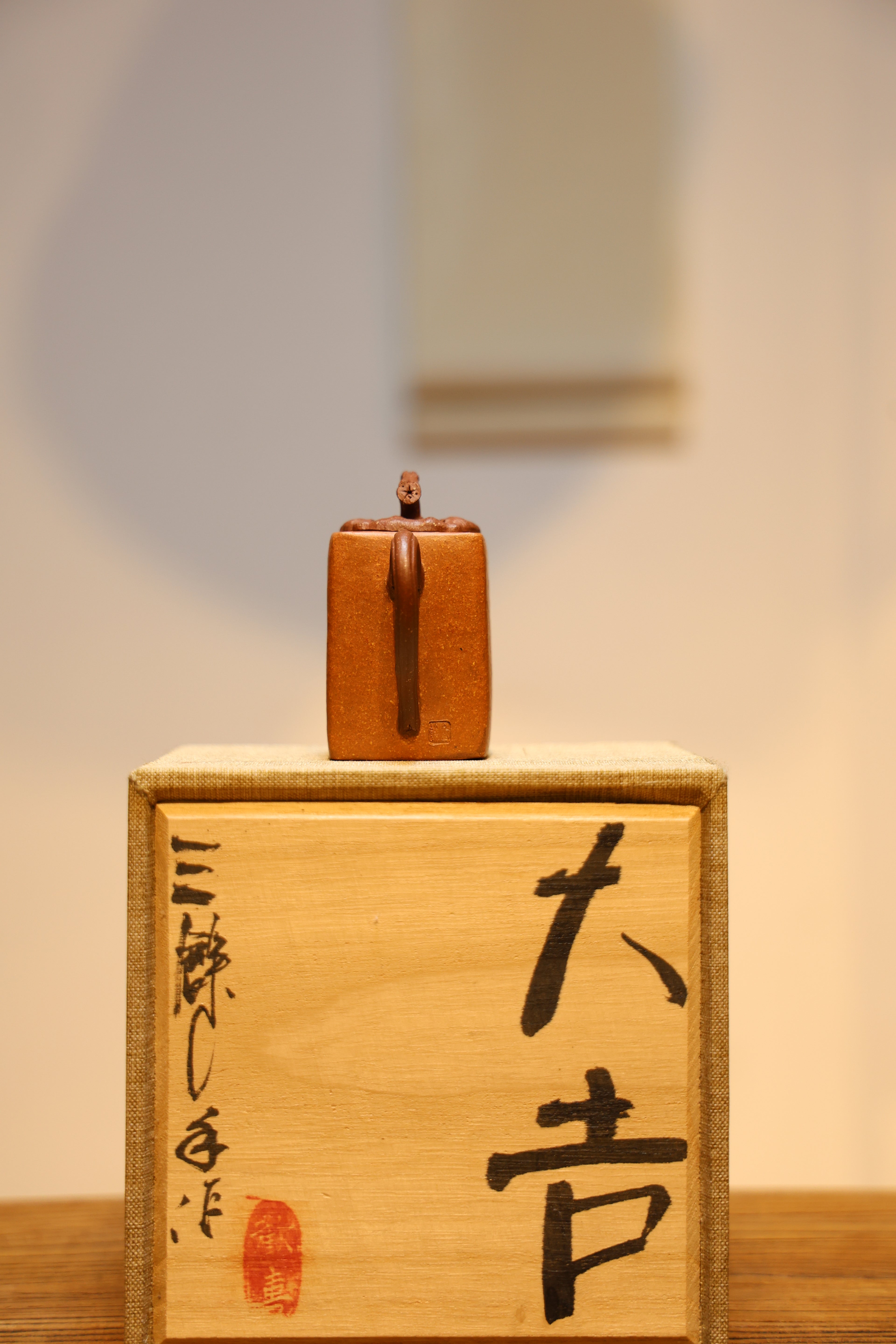
Perpetual lineage expresses Minjiang jugs for generations,
Expressing singular traits taken out of regional plum earthen materials, those containers acquire a finish across application, improving taste extracted from brewed extracts.
Appreciating Yixing Clay: Broad Insights into Zisha
Myriad lovers respect the incomparable consistency of Yixing violet clay, a foundation of traditional Chinese craft. Springing from the Yixing region of Jiangsu province, this uncommon clay exhibits an detailed mineral composition, in order that contributes fabulous qualities to the finished teapots. Models within Zisha, including Hong Mud, Duan Ni Mud, and Jiang Xi Mud, each presents unique casts, grains, and temperatures traits, influencing the breathability and the definitive savor development of the liquid.
Asiatic Vessel Cultures: Understanding Skill
Chinese teapots embody above mere holders for concoction; they exemplify centuries of traditional mastery. From the celebrated Yixing clay variations, respected for their permeable nature which delivers exclusive notes to the concoction, to the delicate porcelain from Jingdezhen, each piece discloses a account of artistry. The construction process is an involved task, often passed down through houses of makers. These makers use classic systems such as hand-building, shaping on wheels, and enhancing, demonstrating profound reverence for the material and the profession itself. Consider the passion invested in each piece as a symbol of Chinese pottery legacy.
- Jiangsu teapots: a distinguished assortment.
- Translucent pottery teapots: noted for their elegant design.
- Hand-building techniques: a complex yet profitable procedure.
Zisha Pitcher Care: Caring for Your Adored Belonging
Sufficient handling of your valued Yixing Zisha container is paramount to preserving its aesthetic. Crafted from exclusive purple sand clay, these outstanding teapots acquire a deep patina after handling, markedly boosting their allure. Shun soaps; a delicate rinse with comfortable warmth water is enough. Shun steaming water for refreshing the teapot, as it may harm its material. Allow it to evaporate moisture away from unfiltered sunlight. Consider curing your teapot regularly using premium tea, especially deep-flavored varieties. Here is a brief manual:
- Wash out with lukewarm moisture.
- Eschew washers.
- Grant it to lose dampness.
- Prepare with select tea.
Roots of Yixing Teapots: Foundational Periods
The record of Yixing teapots arises fundamentally during the Jin dynasty, estimated the 16th interval. Initially, these articles were not the essenced collectibles they are recognized as today. They were fashioned by domestic potters using the specific purple clay extracted solely in the Yixing vicinity. These early concoctions were principally utilitarian, created for usual utilization and often unadorned in form. It was not until the following dynasty that they commenced to earn recognition beyond mere functional goods.
Considering the Suitable Jiangsu Container: A Novice's Guide
Venturing the arena of Yixing teapots can be discouraging, but refrain from fearing! For beginners, the central factor is understanding the dirt. Original Yixing clay is prized for its ventilation, allowing the teapot to absorb the tea's tone over time, amplifying every preparing session. Consider the profile; traditional orbicular shapes prevail, yet distinct preferences count. Lastly, analyze the polish—while some favor an natural appearance, others appreciate a nuanced gloss. Take your time in the acquisition process—this is an commitment in a appreciated piece of craft.
Yixing Teapots and Their Significance on Chinese Drink Lifestyle
Zisha jars, coming from Yixing, China, have profoundly defined enduring Chinese beverage culture. The Yixing clay teapots, prized for their unique complexion, consistency, and exceptional ability to impart a subtle taste to the concoction, are more than mere utensils; they are appreciated artworks and symbols of prominence. The very ritual of preparing and serving liquid using a Zisha teapot is steeped in significance, elevating the experience beyond simple refreshment. Epochs of artisans have mastered their techniques, passed down Yixing Zisha Teapot through clans, resulting in highly esteemed pieces. For this reason, Zisha teapots are frequently held, playing a crucial part in cultivating Oriental appreciation for aesthetics and the process of tea ceremonies.
- Peculiar Clay Composition
- Transmitting Subtle Flavor
- Fine Craftsmanship
Spotting Genuine Collectible Chinese Pots
Purchasing a legitimate Yixing teapot can be a fruitful experience, but the trade is often overrun with imitations. Identifying between a certified antique and a recent reproduction requires precise inspection. Key clues include the clay's rust-colored shade, often displaying streaked surfaces, and the missing of modern curing imprints. The shape should present natural beauty, reflecting the traditional Yixing aesthetic. Finally, investigating the artist's symbol is crucial to verify truthfulness against certified sources.
- Assess the clay's structure.
- Look for inconsistencies, indicative of tailored quality.
- Seek an authority for evaluation.
Buying Eastern Earthenware: A Extensive Explanation to 紫砂 Analysis
The sector of Native Zisha pieces presents a distinct opening for experienced supporters. Consistently, the rate of these artisanal artifacts is affected by many aspects, such as the class of clay substance, the proficiency of the fabricator, the time-honored consequence, and, naturally, the recent attention. Beginners should concentrate on understanding the different types of Zisha clay—such as Binghu, 杜宁, and 紅泥—and getting acquainted with the characteristics linked to each. Careful inspection of the vessel's outline, complexion, and logo is correspondingly fundamental to make experienced conclusions when investing.