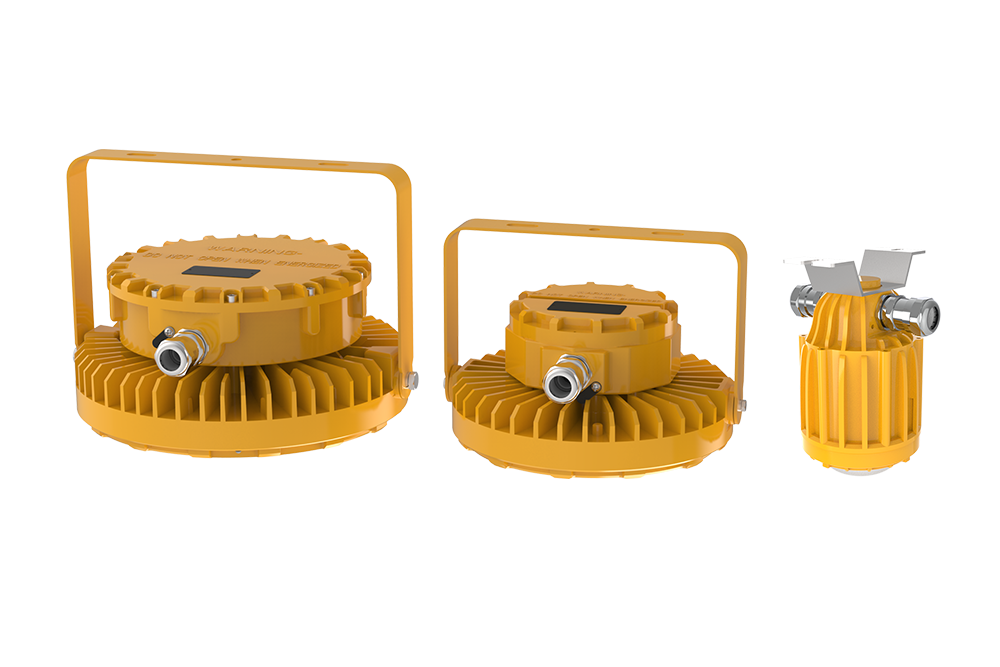
What aiming strategies maximize coverage from led explosion proof flood lights?
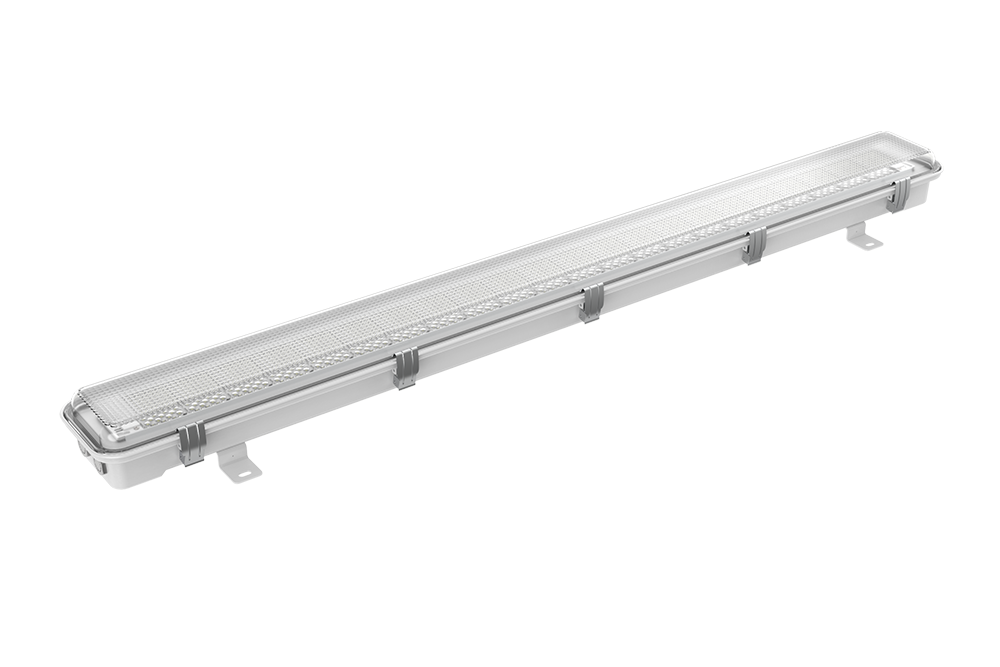
Commencing our piece explores multiple devices about ignition-resistant fixtures inside operational sites.
Working appropriately around risky locations specifically refinery plants entails tailored implements with the goal to avoid anticipated failures. Blast-resistant power fixtures are indispensable elements in comparable locations, developed to resist ignitable bursts, inflammable mists, and ignitable atmospheres. All devices are not basically secure; instead of that they are manufactured to confine any internal discharge or burst and prohibit it from generating a greater eruption in the surrounding location. This compendium offers significant information about explosion-proof fixtures, their operations, and security concerns for executing them properly.
Appreciating Explosion Proof Lighting Standards
Adhering to these ignition-proof lighting guidelines can be challenging, especially across operations dealing with hazardous locations. These standards – often supported by national bodies including the National Electrical Commission (NEC), ATEX (Europe), and IEC – enforce precise design and setup processes to curb the likelihood of fire outbreaks from lighting devices. Understanding aforementioned standards is imperative for ensuring technician safety and respect with legal mandates.
Luminescent Ignition Resistant Emission Units: Quality & Safety
Light Emitting Diode flammability-rated lighting units exhibit a remarkable upgrade over older vapor units in spaces where ignitable fumes are existing. These sturdy tools both generate exceptional electricity conservation, yielding diminished maintenance charges, but specifically maintain a enhanced tier of protection by eliminating the chance of fire outbreaks caused by electrical transients}.
Ex Perilous Region Hazardous Proof Ignition Fire Spark Resistant} Units : A In-depth Review
Explosion Rated Hazardous Region Toxic Proof} Illumination are specifically produced lighting mechanisms built to perform safely within possibly reactive locations. These tough fixtures prevent sparks, thermal output and electric discharges from provoking a critical explosion. They usually incorporate tailored designs, involving like impermeable housings and naturally safe power assemblies to maintain safety standards in domains like fuel & chemical gases processing, refinement plants, mining operations, and chemical production.
Choosing the Best Blast-Proof Systems for Risky Locations
Assessing the ideal fire-safe lighting for a designated classified space entails careful review. Indicators such as the categorization (e.g., Segment I, II, or III and areas 0) must be exactly verified to confirm conformity with applicable danger prevention protocols. Besides the zone's inherent threats, weigh ambient elements, consisting of temperature and wetness, to choose a durable and protected fix. Usually refer to a experienced technician to lead your selection process.
Sites Where Apply Explosion Proof Lights?
Explosion-proof otherwise named intrinsically safe|hazardous location|Class-rated} fixtures are unequivocally needed in multiple areas where hazardous substances or particulate matter could conceivably create a perilous atmosphere. This typically includes manufacturing manufacturing plants, lacquer application areas, cereal handling facilities, and water treatment treatment works. Regulations, such as those from NEC and ATEX, specify their use in these environments to reduce the risk of combustion and secure security functionality.
Pros of Photon Emitting in Detonation Safe Systems
Embracing Crystal-Based technology for detonation-safe systems offers a striking collection of boons. First, crystal lights boast a substantially longer use span compared to traditional gas-discharge fixtures, reducing repair charges and outages. They are also intrinsically safer, producing less infrared energy which abates the threat of burning in risky atmospheres. Moreover, LEDs are notably economical, leading to cut electrical power expenses and a smaller earth-friendly carbon emission. Finally, the resilient construction of Semiconductor appliances tolerates the harsh surroundings typical of ignition-resistant areas.
- Prolonged Lifespan
- Curtailed Repair Expenses
- Heightened Safeguarding
- Reduced Fuel Utilization
- Enhanced Stability
Upkeeping and Monitoring Explosion Proof Lighting Systems
Frequent upkeep and in-depth review of explosion-proof lighting configurations are critically mandatory for maintaining defense and reducing potential liabilities. This necessitates a frequent review of all units, such as luminaires, ducts, wiring, and explosion proof lights affiliated junction boxes. Explicitly, check for deterioration, physical damage, and correct bond connection. Additionally, check that every indications are identifiable and that the illumination sources conforms to relevant protocols.
- Accomplish external assessments.
- Inspect conductive junctions.
- Confirm fire-proof compliance.
Prospective Developments of Explosion Proof Lighting Technology
Transforming landscape of explosion-proof units technology promises a substantial shift from traditional designs. Future technologies will more and more incorporate remote capabilities, enabling remote monitoring, diagnostics, and adjustable control. We foresee a broadening adoption of photon-emitting technology, not only for its essential energy efficiency, but also its skill to facilitate integrated sensors for identifying risky conditions. Also, materials exploration is accelerating innovations in tough covering materials, allowing for trimmed and more efficient designs, while maintaining the necessary levels of protection.
- Enhanced battery life for remote applications.
- Merge with preventive maintenance frameworks.
- Design of self-maintaining lens methodologies.